"You can't improve what you don't measure — but obsessing over numbers can do more harm than good."
Where Tracking genuinely helps.
- Spotting patterns you'd otherwise miss — like how your sleep suffers after late meals or alcohol, even when you feel fine.
- Early signals before symptoms appear — a rising resting heart rate can flag illness or overtraining days in advance.
- More informed conversations with your doctor, backed by weeks of real data rather than a single snapshot.
- Accountability — closing activity rings or hitting a step target turns abstract goals into something tangible.
Where it can go wrong.
- Data overload
- Too many metrics creates noise. When everything feels urgent, nothing gets acted on.
- Score anxiety
- Chasing a perfect sleep score can itself disrupt sleep. The number becomes the problem.
- False precision
- Consumer devices aren't medical-grade. Treat the trends, not the exact figures.
- Ignoring the basics
- No wearable fixes poor nutrition, chronic stress, or missing micronutrients.
The smartest use of tracking is as a starting point, not a verdict. A dip in HRV or a stretch of broken sleep isn’t just a bad score — it’s a signal that your body needs something. Sometimes that’s rest. Often, it’s a nudge to look at what you’re putting in.
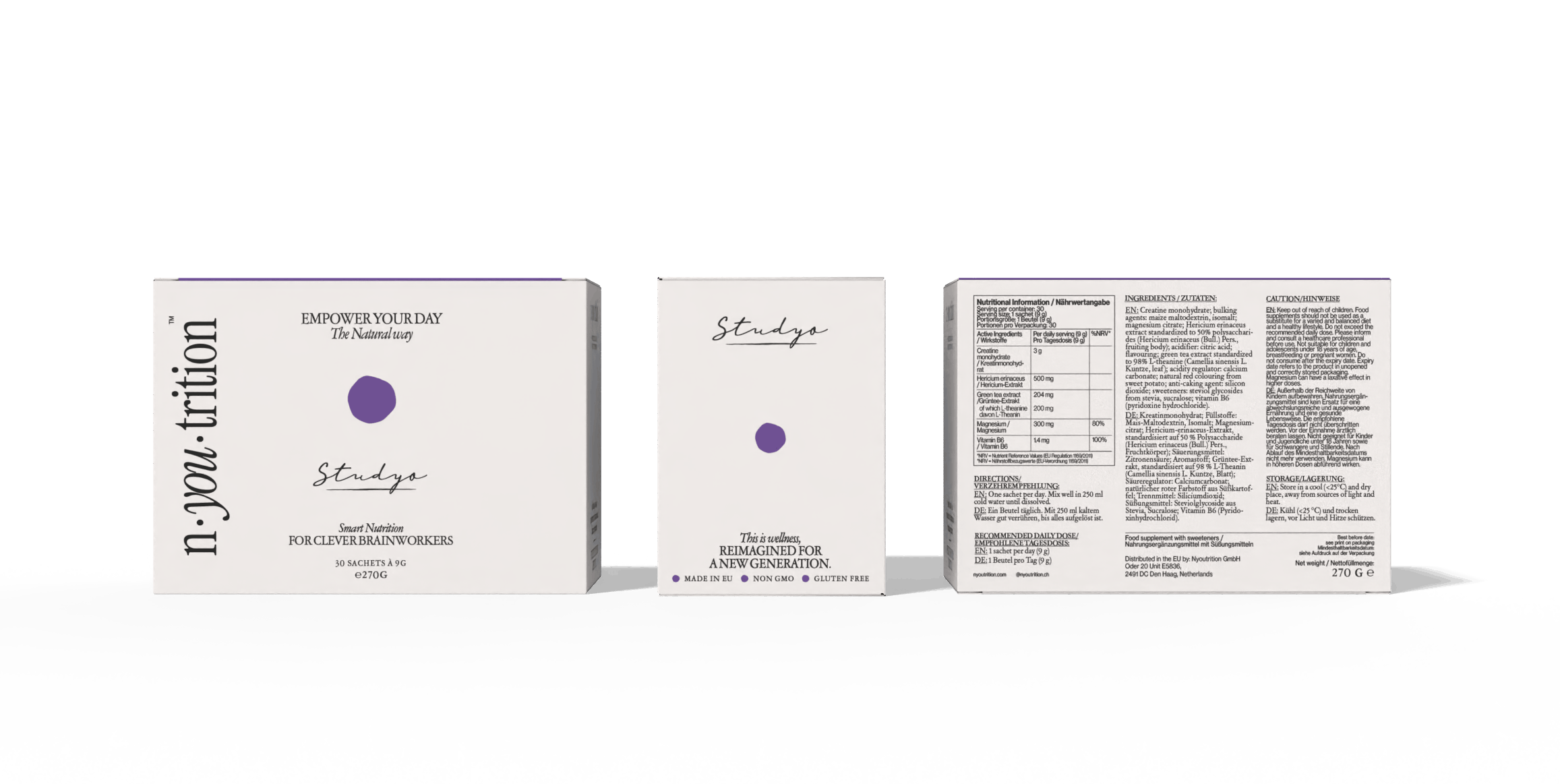
Data tells you what is happening. Good nutrition and the right supplementation help determine why — and what to do about it. Start using nyoutrition which is tailored to your lifestyle and provides you the necessary ingredients for your needs.